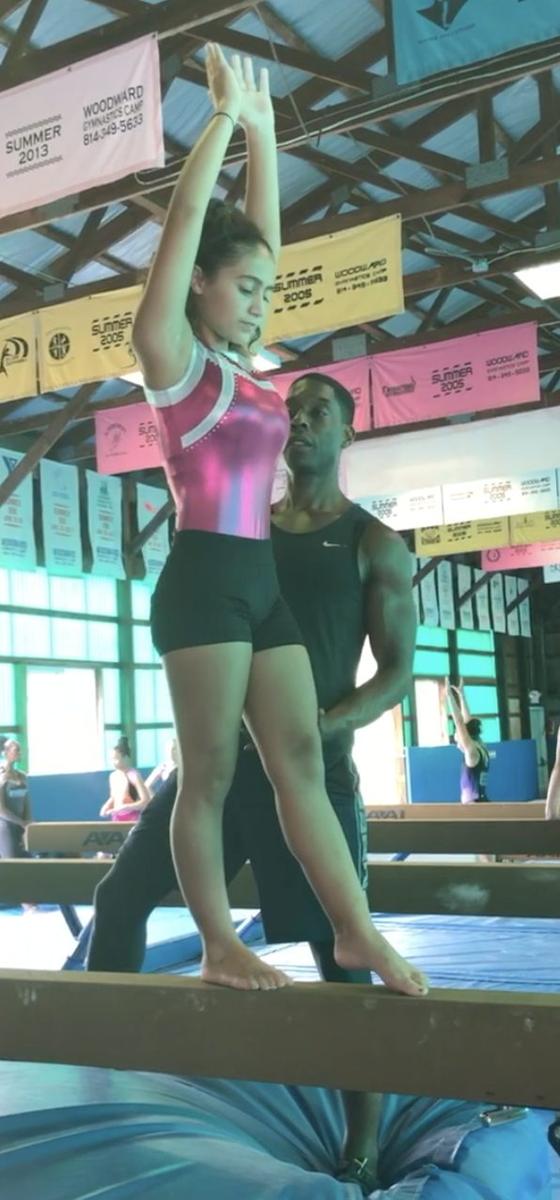
The performance is visible. The development behind it is not.
A skill may take only seconds to perform. What creates it can take months or years: preparation, repetition, strength, mobility, understanding, failure, correction, courage and patience.
At Leon Williams Jr. Performance Academy, training begins with the individual rather than the skill.
Two athletes can want exactly the same thing and require completely different pathways to reach it. One may need strength. Another mobility. Another technical understanding. Another may already possess the physical ability but be held back by fear or an earlier experience.
The responsibility of the coach is to understand the difference.
We do not simply teach athletes what to do. We help them become capable of doing it.
Who we train
The individual before the program.
Children
Develop coordination, balance, body awareness, fundamental shapes, jumping and landing mechanics, strength, flexibility and — equally important — the confidence to explore movement.
Childhood training should create a foundation, not a race toward difficult skills.
Teens
Develop gymnastics and tumbling skills, prepare for competitive programs, cheer or dance, improve athletic performance, address technical deficiencies, and work through fear or mental blocks.
Adults
Return to gymnastics. Learn something you never had the opportunity to learn. Rebuild strength and mobility. Prepare for adult competition — or simply experience the satisfaction of becoming capable of something difficult.
Adults are athletes. They are not coached like oversized children.
Athletes from other sports
Dance. Cheer. Soccer. Martial arts. Diving. Acro. Parkour. Other movement-based sports.
Gymnastics-based training can develop body awareness, spatial orientation, landing mechanics, mobility, strength-to-weight ratio and movement confidence that transfer far beyond gymnastics.
The philosophy
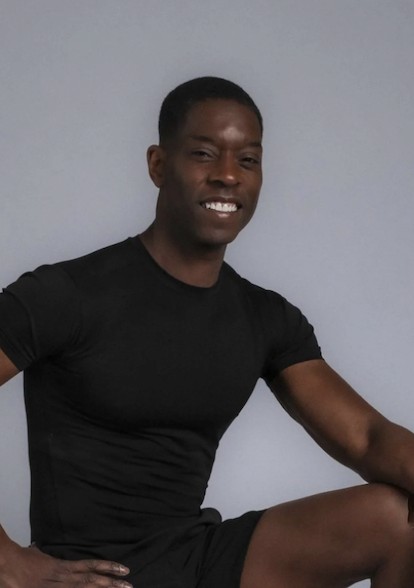
Will the people who come after me be stronger because I was here?
The Responsible Ancestor
What we build in another person can outlive us.
I have spent much of my life coaching movement. Over time, I came to understand that the movement was only part of the work.
A coach influences how an athlete encounters difficulty. How they respond to correction. Whether they learn to distinguish failure from inadequacy. Whether discipline becomes something imposed upon them — or something they eventually learn to carry within themselves. Whether achievement strengthens their character or becomes the measure of their worth.
That influence creates responsibility.
I have come to think about that responsibility through the idea of becoming a Responsible Ancestor: someone who considers not only what they can accomplish during their own lifetime, but what their actions will leave behind for people who come afterward.
That question has changed the way I think about coaching, leadership, fatherhood, business and life.
Inside this Academy, it means pursuing excellence without sacrificing dignity. Strength without cruelty. Confidence without arrogance. Discipline without humiliation. Accountability without belittlement. Competition without losing compassion. And progress without forgetting the human being doing the progressing.
The question therefore cannot only be, “What can this athlete accomplish?” We must also be willing to ask:
Who might this athlete become?
That is the larger work. That is the responsibility.
The Academy Code
What we believe determines how we coach.
The person before the performance
Before there is a gymnast, dancer, cheerleader, soccer player or competitor, there is a human being.
No score, skill, medal, roster position or competitive result changes that.
Fundamentals before difficulty
Advanced skills are combinations of fundamental abilities performed exceptionally well. We do not rush difficulty for the appearance of progress.
We build what difficult skills require.
Understanding before execution
Athletes should understand what they are doing and why. Understanding creates ownership. Ownership creates independence.
Technique before repetition
Repeating an error does not create mastery. It creates a stronger error.
Quality precedes quantity.
Confidence through competence
Confidence is not something a coach can simply tell an athlete to have. It is earned through preparation, understanding, repetition and successful experience. We don’t tell athletes merely to “be brave.”
We prepare them until courage has somewhere to stand.
Challenge without humiliation
Athletes can be held to demanding standards without being made to feel small. Correction without belittling. Accountability without humiliation. Discipline without intimidation. Encouragement without lowering the standard.
High standards and human dignity belong together.
Discipline with purpose
Discipline should eventually become internal. The goal is not an athlete who behaves correctly because the coach is watching. The goal is an athlete who understands what is required and develops the ability to hold themselves accountable.
Progress without comparison
Two athletes can begin together and develop differently. Readiness — not impatience, comparison or an arbitrary calendar — determines progression.
Safety through preparation
No physical activity is without risk. Responsible coaching does not pretend otherwise. Risk is managed through preparation, appropriate equipment, sound progressions, physical readiness, technical understanding, spotting when appropriate and informed judgment.
No athlete should be pushed toward a skill for which they have not been adequately prepared.
Leave something worth inheriting
Eventually every athlete leaves the gym. The skills may remain. Some may disappear. But discipline, courage, patience, self-awareness, accountability and the memory of how they were treated can travel with them for decades.
We should leave them with something worth carrying.
How training works
Every athlete follows the same principles. No two athletes follow exactly the same path.
Assess
Movement. Strength. Mobility. Technique. Skill readiness. Confidence. Training history. Goals.
Assessment is not judgment. It is simply discovering the correct starting point.
Build
Develop the physical preparation and fundamental movement patterns upon which more difficult skills depend.
Develop
Break the desired skill into understandable, achievable components. Strengthen the missing pieces. Build the progression.
Refine
Technique. Timing. Shapes. Body position. Consistency. Efficiency.
Repetition matters — but only when we are repeating something worth reinforcing.
Progress
Move forward when readiness has been demonstrated. Not because another athlete progressed. Not because a certain number of weeks passed. Not because someone is impatient.
Readiness determines progression.
A back handspring is not one skill. It is handstand mechanics, shoulder flexibility, body tension, jumping, snap-down, backward confidence, spatial awareness and enough strength to hold the movement together.
Strengthen the pieces and the whole skill becomes possible.
What we train
Technical development with a purpose.
Floor & tumbling
Handstands, cartwheels, round-offs, walkovers, handsprings, saltos, tumbling connections and advanced progressions.
Back handsprings & backflips
Don’t simply chase the trick. Identify what the athlete is missing and build the components in the correct order.
Balance beam
Fundamental movement, dance elements, acrobatics, connections, routine development, confidence and performance on a four-inch surface.
Uneven bars
Shapes, casts, swings, circling elements, transitions, strength preparation and progressive skill development.
Vault
Running mechanics, hurdle development, board contact, blocking, body position, flight and landing.
Strength & physical preparation
Strength, mobility, flexibility, body tension, joint preparation, landing mechanics and sport-specific physical development.
Performance & competition preparation
Technical refinement, consistency, routines, confidence, competition preparation and returning after time away.
Fear & mental blocks
Understand the source of hesitation. Reduce the challenge into manageable pieces. Restore trust through preparation and successful experience.
Fear is information. It is not a character flaw.
Fear, frustration, embarrassment and the memory of a difficult experience can restrict an athlete every bit as much as strength or flexibility. I do not treat fear as weakness.
We first determine what is creating the hesitation. Then we reduce the challenge into pieces small enough to understand, prepare for and eventually succeed at.
Confidence returns through evidence. Through preparation. Through competence. Through experience. Not simply because an adult repeatedly says, “Don’t be afraid.”
Firm and fair. Always kind.
There is real discipline in my coaching. Standards matter. Accountability matters. Effort matters. How those standards are communicated matters just as much.
Authority does not require intimidation. Strength does not require aggression. And kindness does not require lowering expectations.
If something is wrong, come tell me.
Athletes should know that speaking to a trusted adult is an act of strength.
A young person who learns that their voice matters in the gym may one day become an adult capable of using that voice somewhere far more important.
You are a person after this.
Success is personal. It may be a championship. A first handstand. A back handspring. Returning after an injury. Breaking through a mental block. Or simply becoming confident enough to participate without being afraid of embarrassment.
The accomplishment matters. The person who emerges from the process matters more.
Ways to train
Individualized training. Clear purpose.
Private performance training
One athlete. One coach. One individualized pathway.
Private training is appropriate when an athlete has specific technical goals, needs concentrated attention, is addressing a particular weakness or mental block, preparing for competition, returning after time away, or benefits from an environment designed entirely around their development.
Semi-private performance training
Two or more compatible athletes can train together while still following individualized progressions. Appropriate for siblings, teammates or friends pursuing compatible goals.
Shared training does not mean identical training.
Clinics & specialty programs
Focused developmental experiences can be designed around specific areas.
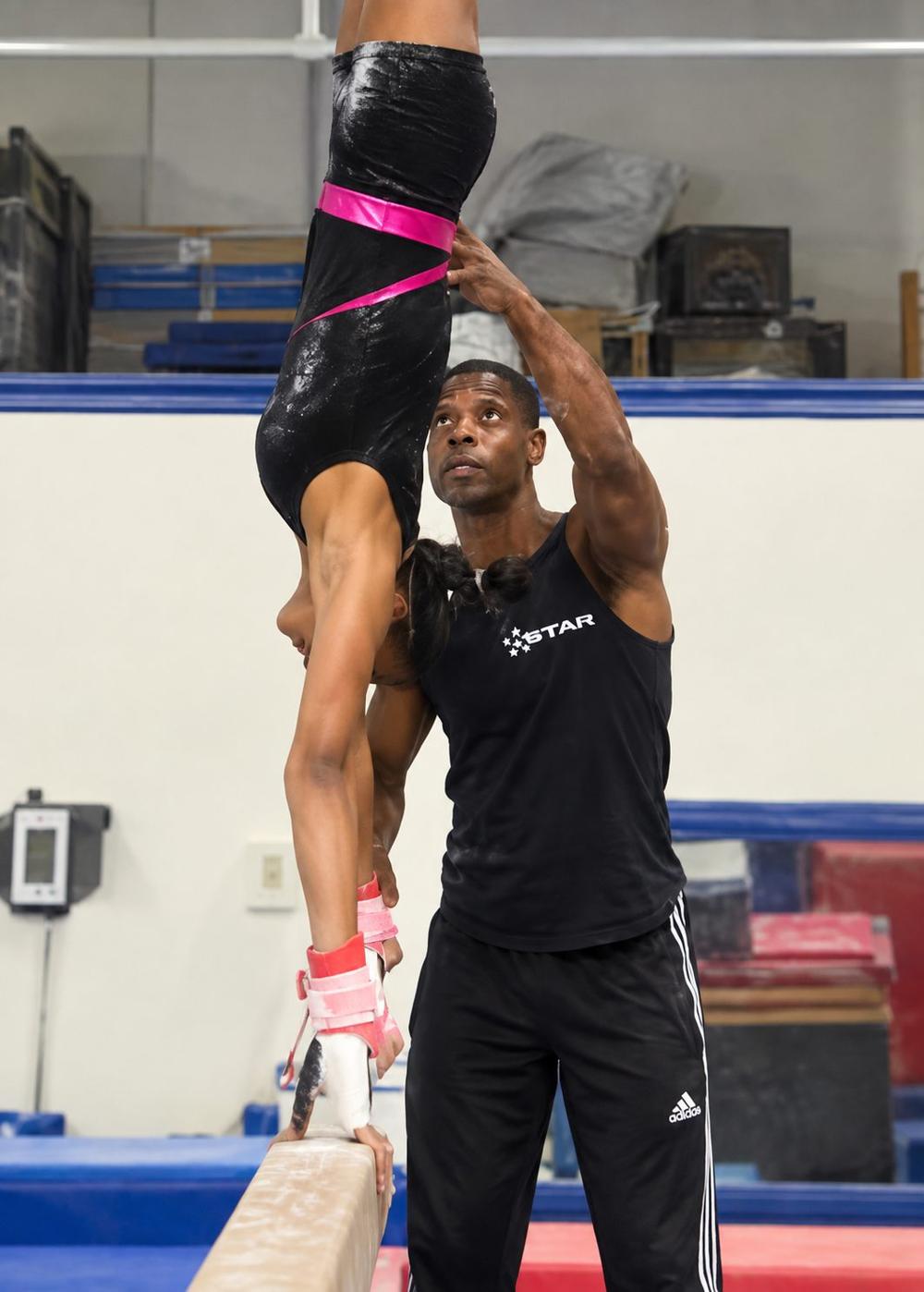
My responsibility is to understand the person standing in front of me and help them discover what they are capable of becoming.
45+ years of coaching
Four decades on the floor. A lifetime still learning.
I have spent more than four decades coaching gymnastics and developing athletes. Experience has taught me a great deal about technique, progressions, programming and performance. It has taught me even more about people.
I have watched athletes learn, succeed, struggle, become afraid, regain confidence, leave the sport, return years later, become adults and — in some cases — become coaches themselves. Those experiences changed me as a coach.
I still believe deeply in technical excellence. I believe in preparation. I believe in discipline. I believe in accountability. I believe things worth doing deserve to be done properly.
But experience has also taught me that demanding standards and genuine care are not opposites. A coach can be firm without being cruel. Correct without belittling. Demanding without humiliating. Confident without needing to dominate.
That philosophy became the foundation of the Leon Williams Jr. Performance Academy.
Gymnastics is a sport of judgment. An athlete’s self-worth should never become one.
Gymnastics asks athletes — often very young athletes — to perform alone while adults evaluate every detail. That environment can produce extraordinary discipline and courage. Handled poorly, it can also teach a young person to confuse a score with their value.
My approach is different. I want athletes to understand what they did well, what needs improvement, and what comes next. They should leave training having gained something — even on a difficult day.
Every athlete should walk off the floor knowing what they earned that day.
For organizations
Build a better program. Build a culture capable of sustaining it.
Decades of coaching have also given me the opportunity to work with gym owners, directors and coaching staffs on the systems surrounding athletes.
Because a successful program requires more than good gymnastics. It requires good people, clear expectations, thoughtful programming and a business capable of supporting them.
Coaching & athlete development
Technical development, progressions, class structure, competitive programming and athlete-centered coaching practices.
Staff development & culture
The culture of a gym is determined largely by what its adults consistently model, permit and reinforce.
I work with owners to define expectations, develop coaches and create environments where standards and dignity coexist.
Program & business development
Enrollment. Retention. Scheduling. Program mix. Staffing. Special events. Private training. Facility utilization. Revenue opportunities. Sustainable growth.
The purpose isn’t simply to make a gym busier. It is to help build an organization capable of serving athletes well and remaining healthy enough to continue doing it.
The responsibility doesn’t end at the gym door.
My work outside the Academy continues to center on many of the same questions.
How do we create healthier environments for young people? How do we expand opportunity? How do we encourage men to speak about mental health before crisis? How do we give more girls access to sport and leadership? How do we build businesses that create value beyond what they sell?
And how do we make decisions today with some consideration for people who will inherit their consequences tomorrow?
Those questions inform my work in entrepreneurship, advocacy, youth sport and conversations about mental health. They are different expressions of the same responsibility.
Leave something better than you found it.
Media & conversations
The conversation beyond coaching.
Selected conversations, interviews and appearances exploring mindset, discipline, coaching, athlete development, men’s mental health, leadership, character, youth sport and the Responsible Ancestor.
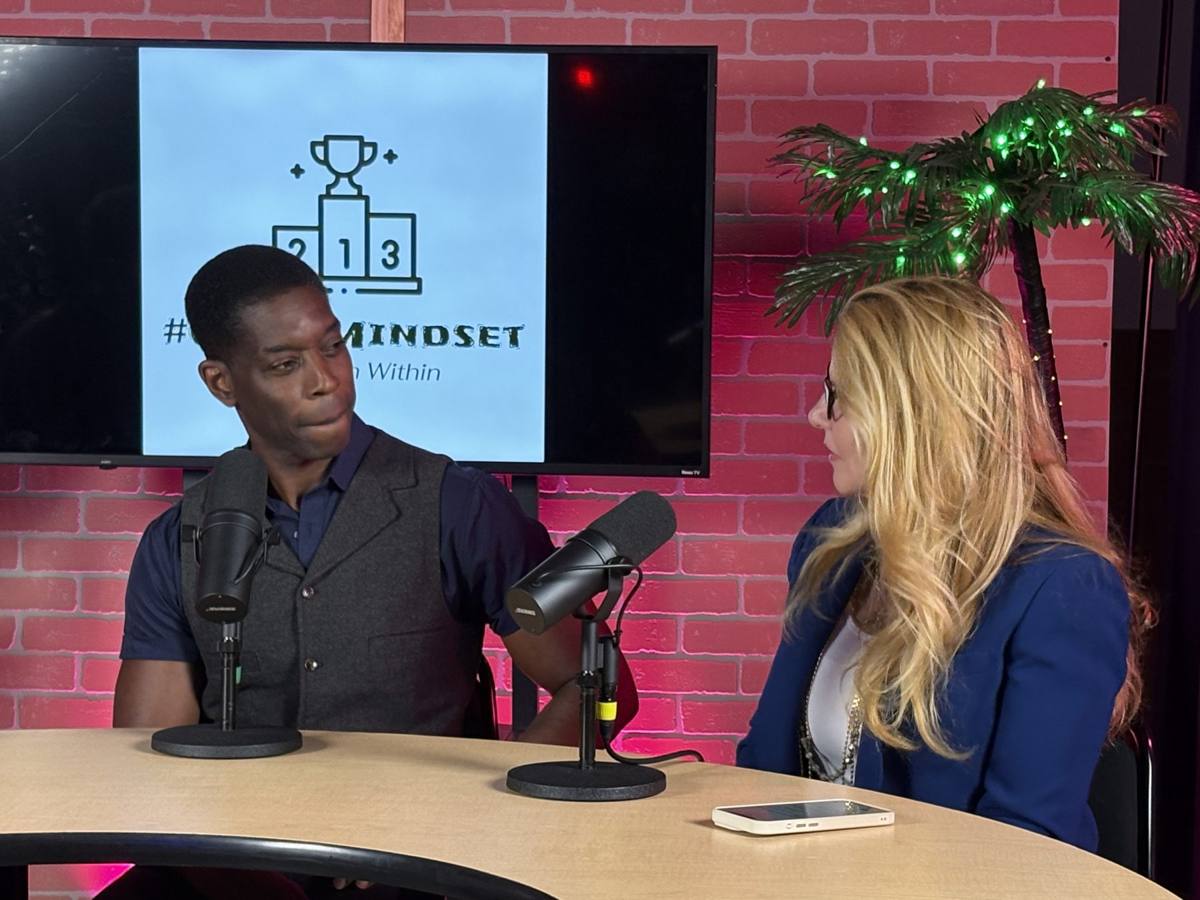
What will we leave behind?
Coaching is temporary. Influence isn’t.
Eventually every athlete I coach will walk out of the gym for the last time. They may remember the skills. They may remember competitions. They may remember victories and disappointments.
But I hope something deeper remains.
I hope they learned that discipline does not require cruelty. That confidence can be earned. That failure can provide information without defining them. That strength and compassion can exist in the same person. That being corrected does not mean being diminished. That asking for help is not weakness. That excellence and humility can coexist. That their voice matters.
That they can encounter something difficult, prepare themselves, and move toward it anyway.
And perhaps, someday, when another person depends upon them, they will pass some of those things forward.
Because ultimately, the measure of our work is not simply what we produce.
Leon Williams Jr. Performance Academy
Your next level starts with a conversation.
Tell me about the athlete. Their history. Their goals. What they are working toward. And what may be getting in the way.
From there, we determine whether the Academy is the right fit and what the appropriate starting point should be.
Whether you’re seeking individualized training for an athlete, exploring a clinic, looking for professional support for your gymnastics program, or contacting me about a speaking or media opportunity, tell me a little about what brings you here.
Start the conversation.